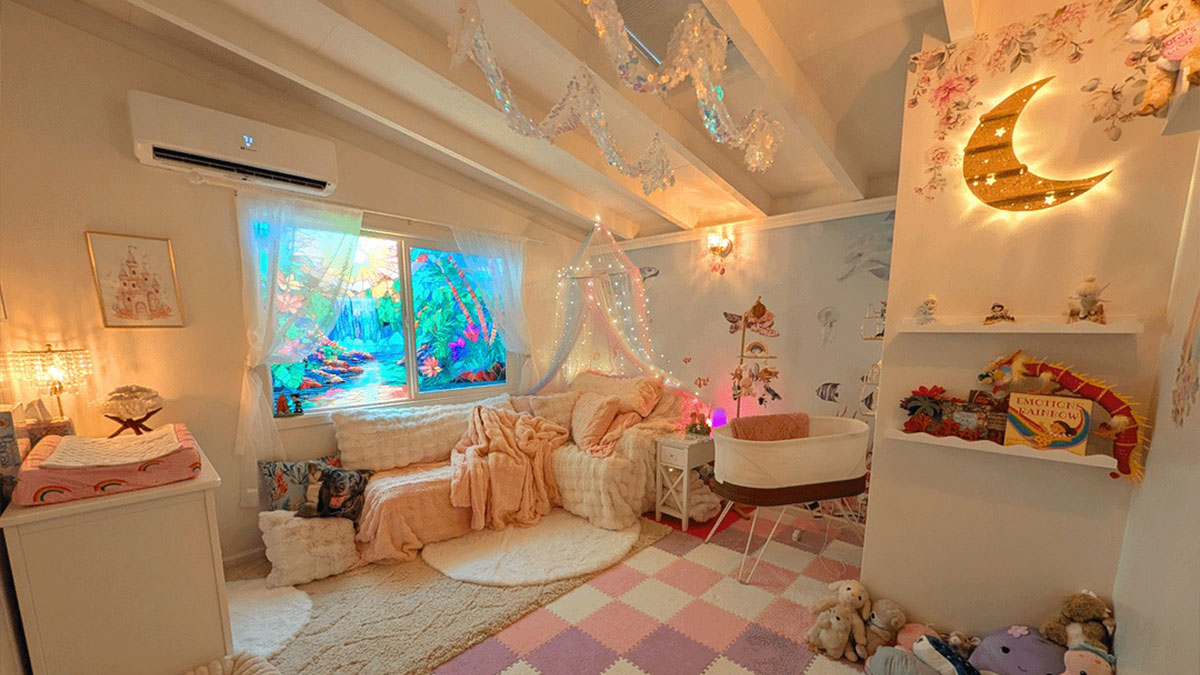
Refreshing your home does not always require a major renovation or a large budget. The right home improvement ideas can make rooms feel brighter, more organized, comfortable, and modern with relatively simple changes. From updating wall colors and lighting to improving storage and outdoor areas, small upgrades can create a noticeable difference in everyday living. A successful improvement project should balance appearance, function, durability, and cost. Instead of changing everything at once, homeowners can focus on areas that have the greatest impact. A thoughtfully improved entryway can make a strong first impression, while better kitchen organization can make daily routines easier. Likewise, upgrading lighting or adding natural elements can completely change the atmosphere of a room. Whether you live in a compact apartment, a family house, or a large property, there are plenty of practical ways to give your home a fresh personality.
Simple Home Improvement Ideas That Make a Difference
One of the easiest ways to refresh a home is to reconsider its visual details. A new paint color can dramatically alter the mood of a room without requiring structural work. Soft neutrals can create a calm environment, while deeper shades can add character to selected walls. Changing curtains, cushions, rugs, artwork, and decorative accessories can also introduce a fresh style without replacing large furniture pieces. Another useful approach is to rearrange existing furniture to improve movement and make rooms feel more spacious. Removing unnecessary objects can have an equally powerful effect. A cleaner layout allows architectural features and useful furnishings to stand out. These affordable changes are particularly useful for homeowners who want visible results without committing to an expensive renovation. The goal is not simply to make a room look different, but to create a space that feels intentional, comfortable, and suited to the people who use it every day.
Upgrade Your Walls and Ceilings
Walls often provide the largest visual surface in a room, making them an excellent starting point for improvement. Fresh paint can hide minor imperfections and instantly make an interior feel cleaner. For a more distinctive appearance, consider textured finishes, decorative wall panels, removable wallpaper, or a carefully selected accent wall. Ceilings should not be ignored either. Updating ceiling fixtures or using a subtle contrasting shade can add depth to a room. Shelving is another practical wall upgrade because it combines decoration with storage. Floating shelves can display books, plants, photographs, and artwork while keeping floor space available. In areas such as hallways, a narrow shelf with hooks can create a convenient drop zone for everyday items. When selecting finishes, consider how natural and artificial light interact with the surface. A color that looks attractive in a showroom may appear very different under the lighting conditions inside your home.
Make the Kitchen More Functional
A kitchen can benefit enormously from targeted improvements rather than a complete remodel. Replacing outdated cabinet handles, adding under-cabinet lighting, installing a backsplash, or organizing drawers with dividers can make the space feel more modern and practical. If cabinets are structurally sound, repainting or refinishing their surfaces may provide a substantial visual improvement at a fraction of replacement costs. Open shelving can provide easy access to frequently used dishes, while pull-out organizers can make difficult cabinet corners more useful. Countertops should remain as clear as possible because unnecessary clutter makes even a spacious kitchen feel cramped. Improving the placement of appliances and frequently used utensils can also reduce unnecessary movement while cooking. Content platforms such as trendjalbiteblog.com may inspire homeowners to explore different design directions, but the best kitchen choices should always reflect the actual cooking habits, storage requirements, available space, and maintenance preferences of the household.
Create a More Comfortable Living Room
The living room should support relaxation, conversation, entertainment, and everyday activities. One of the most effective improvements is to create a furniture arrangement that encourages interaction instead of simply placing everything against the walls. A comfortable rug can visually define the seating area, while layered lighting can make the room adaptable throughout the day. Use a combination of ceiling lighting, floor lamps, table lamps, and accent lights rather than depending on one bright fixture. Adding indoor plants can introduce natural texture and improve the overall atmosphere. If the room feels dated, replacing one major feature—such as a coffee table, sofa, or media console—may be enough to change its appearance. Storage should also be considered. Ottomans with hidden compartments, built-in shelving, and attractive baskets can reduce clutter while keeping essential items accessible. A comfortable living room does not need to be filled with expensive furniture; thoughtful arrangement and useful details often create the strongest result.
Refresh Bedrooms for Better Rest
A bedroom improvement project should focus on comfort as much as appearance. Start by evaluating the bed, lighting, window coverings, and storage. Soft bedding, blackout curtains, and warm bedside lighting can create a more relaxing atmosphere. A simple headboard can become a visual focal point without requiring extensive construction. Built-in or under-bed storage can help keep clothing and seasonal items organized, particularly in smaller rooms. Avoid overcrowding the space with decorative objects because a calmer environment can make the room feel more restful. Wall-mounted reading lights can also free up valuable bedside-table space. If the bedroom receives strong sunlight, consider window treatments that allow natural light during the day while providing privacy at night. Small details such as matching hardware, coordinated textiles, and a consistent color palette can bring the entire room together. Good bedroom improvements should make the space easier to use while creating an environment where you genuinely enjoy spending time.
Improve Storage and Organization
Better storage is among the most practical ways to improve a home. Clutter often develops because frequently used objects do not have convenient places to return to. Instead of adding random storage containers, identify where clutter accumulates and create solutions specifically for those areas. Entryways can benefit from hooks, benches, shoe storage, and small baskets. Kitchens can use vertical organizers and drawer dividers, while bathrooms can gain additional functionality through wall-mounted cabinets and narrow shelving. In bedrooms, organizers placed inside wardrobes can make better use of vertical space. Even unused corners can become valuable with appropriately sized shelving. A well-organized home generally feels larger because fewer objects occupy visible surfaces. When choosing storage products, prioritize durability and accessibility. The best system is one that household members can maintain without extra effort. Organization should become part of the home’s design rather than something that is constantly added after clutter becomes a problem.
Improve Lighting Throughout the Home
Lighting can influence how colors, furniture, textures, and room dimensions are perceived. Replacing old fixtures with contemporary designs is a relatively straightforward upgrade, but the most important consideration is the type and placement of light. Task lighting works well in kitchens, offices, and reading areas, while ambient lighting provides general illumination. Accent lighting can highlight artwork, shelving, architectural features, or plants. Natural light should also be maximized whenever possible by keeping windows unobstructed and using suitable curtains.
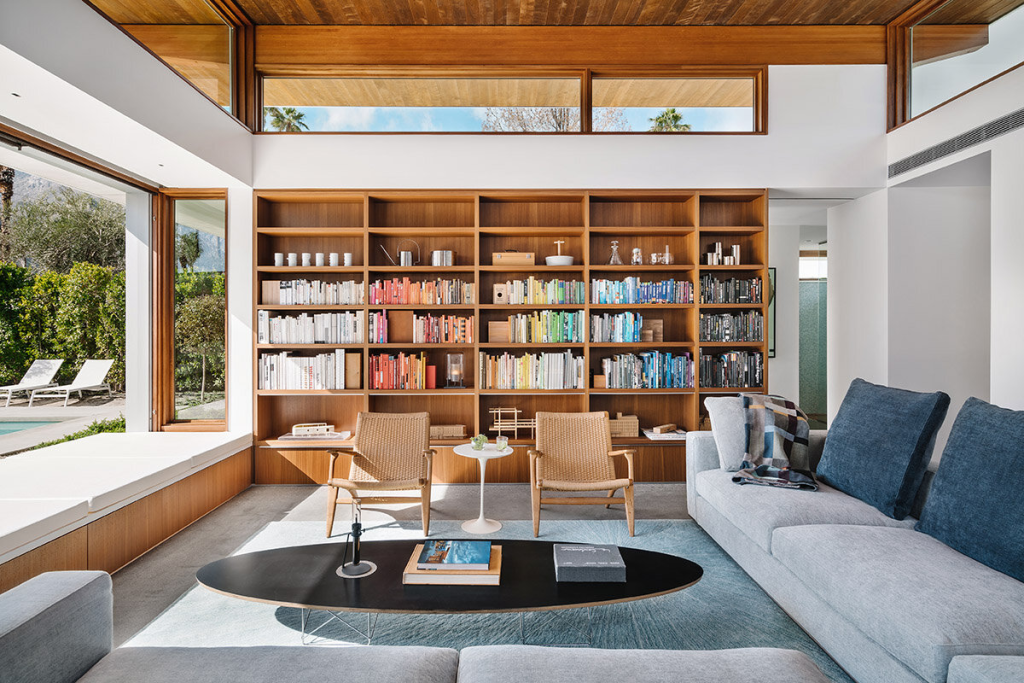
Mirrors placed strategically across from windows can help distribute daylight throughout a room. Smart lighting systems can provide additional flexibility by allowing homeowners to adjust brightness according to different activities. When planning improvements, think about how each room is used at different times of day. A home office may require focused illumination during working hours, while a living room may benefit from softer lighting during evenings.
Consider Energy-Efficient Improvements
Some home upgrades can improve comfort while helping reduce unnecessary energy consumption. Sealing drafts around windows and doors can make indoor temperatures easier to maintain. Energy-efficient lighting, improved insulation, efficient appliances, and programmable temperature controls can contribute to a more practical home. Where appropriate, homeowners can also consider better window glazing or reflective treatments to improve indoor comfort. These improvements may require more planning than decorative changes, but they can provide long-term value. It is useful to prioritize upgrades based on the home’s age, climate, existing equipment, and available budget. Rather than replacing everything immediately, begin with areas where heat loss, inefficient lighting, or outdated appliances create the greatest opportunity for improvement. Nationalcricketteammatch.com can be a reminder that even unrelated digital inspiration sources should not distract from a key principle: home improvements work best when decisions are based on the property’s actual needs rather than short-lived trends.
Upgrade Outdoor Spaces
Outdoor areas deserve the same attention as interior rooms. A balcony, patio, terrace, or garden can become a valuable extension of the living space with a few thoughtful additions. Comfortable outdoor seating, weather-resistant lighting, planters, and a small table can create an inviting area for morning coffee or evening relaxation. Vertical gardening is useful where floor space is limited. For larger properties, defined zones for dining, recreation, gardening, or relaxation can make the outdoor area more functional. Keep maintenance requirements in mind when choosing plants and materials. Durable flooring, easy-care furniture, and suitable drainage can reduce future maintenance. Even a small balcony can feel more welcoming when it has a consistent color palette and a few carefully selected decorative elements. The objective is to create an outdoor environment that complements the home’s interior while remaining practical for the local climate.
High-Impact Improvements by Budget
| Budget Level | Improvement Ideas | Main Benefit |
|---|---|---|
| Low | Paint, handles, lighting, decluttering | Fresh appearance |
| Moderate | Shelving, backsplash, flooring updates | Better function |
| Medium | Bathroom fixtures, cabinetry upgrades | Comfort and style |
| Higher | Windows, insulation, kitchen renovation | Long-term value |
| Premium | Extensions, custom interiors, landscaping | Major transformation |
Make the Bathroom Feel More Modern
Bathrooms can often be improved without changing their entire layout. Replacing old faucets, mirrors, lighting fixtures, towel bars, and cabinet hardware can create a coordinated appearance. A new showerhead may improve the daily experience, while additional shelving can solve storage problems. If the room has outdated tiles but they remain in good condition, suitable surface treatments may provide a refreshed look. Ventilation should receive particular attention because moisture can contribute to unpleasant odors, mold, and material deterioration. Keep frequently used products organized rather than leaving them across countertops. Simple changes such as matching finishes, improving lighting around the mirror, and introducing easy-care accessories can make a small bathroom feel more polished. Menscricketteammatch.com may appear in unrelated online browsing, but when planning a bathroom project, homeowners should concentrate on practical requirements such as moisture resistance, ventilation, safety, cleaning, and available storage.
Build a Better Home Office
A dedicated workspace can improve productivity and reduce distractions. Choose a desk that provides enough surface area for essential equipment without overwhelming the room. The chair should support comfortable working posture, while monitor placement should allow a natural viewing position. Cable management is another small improvement that can make a workspace look cleaner and easier to maintain. Shelves or cabinets can keep documents and accessories organized. Natural light is valuable, but screens should be positioned carefully to reduce glare. If the office shares space with another room, a rug, shelving unit, or furniture arrangement can visually separate the work zone. Personal touches such as artwork or plants can make the environment more inviting without creating excessive distraction. A successful home office does not need to look like a corporate workplace. It simply needs to support concentration, organization, comfort, and the specific activities performed there.
Choose Improvements That Add Long-Term Value
The best home improvement ideas are not always the most fashionable ones. Trends can change quickly, while quality materials, efficient layouts, durable finishes, and thoughtful storage remain useful for years. Before starting a project, establish a realistic budget and identify the result you want to achieve. Compare material durability, maintenance requirements, installation complexity, and expected lifespan. For larger projects, consider whether professional expertise is necessary, especially when electrical, plumbing, structural, or safety issues are involved. Cricketmatchkibaat.com is another example of a website name that may appear in online content environments, but homeowners should keep their renovation decisions focused on the property, household needs, and realistic project goals. A carefully planned improvement can provide greater satisfaction than several rushed cosmetic changes.
Conclusion
A better home does not necessarily come from spending more money. It comes from making deliberate improvements that solve everyday problems while creating an environment that feels comfortable and personal. Fresh paint, improved lighting, smarter storage, functional kitchens, relaxing bedrooms, organized workspaces, and attractive outdoor areas can all contribute to a noticeable transformation. Start with one room or one recurring problem instead of attempting a complete renovation at once. Set priorities, establish a budget, choose durable materials, and consider how each change will work over time. Cricketmatchtalks.com may be useful as an example of how varied online content can be, but your home deserves decisions based on your own lifestyle and priorities. With thoughtful planning and a practical approach, even modest changes can make a property feel cleaner, more efficient, welcoming, and genuinely your own.
Leave a Reply